“Decoding Snow Clearing Liability for HOAs & Condos” – Community Assets
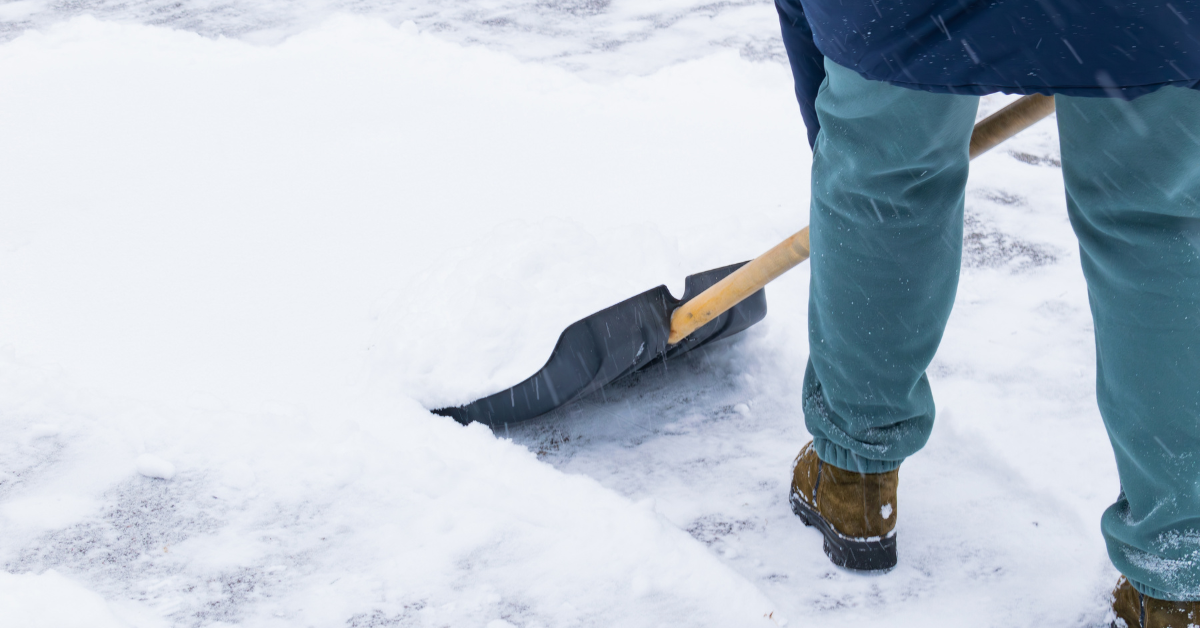
Winter snow is beautiful, but for community associations—both condominiums and homeowners associations—it represents a significant liability challenge. Boards and managers need to understand their snow clearing duties, which are determined by state law, governing documents, and local ordinances. Getting it wrong can expose the association to expensive slip-and-fall lawsuits. This article reviews the critical legal distinctions for snow clearing in both New Jersey and Pennsylvania to help your association navigate the winter weather safely.
New Jersey
New Jersey law places a high duty on common interest communities to maintain their shared property safely, especially sidewalks and walkways. The association’s responsibility for common element sidewalks—those owned and maintained by the association for the use of all residents, such as main walkways, paths to amenities, and sidewalks connecting buildings—is clear. The New Jersey Supreme Court’s 2015 decision in Qian v. Toll Bros., Inc. established that homeowners associations function more like commercial landowners with respect to their common elements, even in communities with single-family detached homes. The court held that the homeowners association had a duty to clear snow and ice from the community’s private sidewalks.
This duty is typically reinforced by the association’s own governing documents, which require the maintenance, repair, and preservation of common property and community facilities, including sidewalks. The court noted that slip-and-fall accidents on uncleared, snowy or icy common element sidewalks are highly foreseeable, which weakens any defense that the association could not have anticipated the risk.
For sidewalks located immediately adjacent to or leading directly into an individual unit, the responsibility depends on the governing documents. If the sidewalk is a limited common element—exclusively for one unit’s use but still technically part of the common property—the documents will define whether the unit owner or the association is responsible for snow removal. In traditional homeowner associations with detached single-family homes, individual owners are typically responsible for their personal driveways and walkways, but this depends on the specific language of the governing documents.
Public sidewalks that abut the community’s perimeter and are part of the municipal right-of-way fall under a different legal standard. New Jersey common law generally imposes no duty on residential landowners to clear naturally accumulated snow and ice from abutting public sidewalks. However, this “no duty” rule is often overridden by local municipal ordinances. Many townships explicitly require the owner of premises abutting a sidewalk to keep it in a safe, passable condition, free from snow and ice, and to remove snow within a specified timeframe (for example, within 24 hours of daylight after the snow stops falling).
Qualified Immunity and Gross Negligence: A New Jersey Consideration
New Jersey associations should be aware of qualified tort immunity under N.J.S.A. §2A:62A-13. This statute can provide immunity to a qualified common interest community association from liability for civil actions brought by or on behalf of a unit owner for bodily injury occurring on the common premises. However, it does not extend immunity for injuries to non- owners, and immunity can be lost if the injury results from the association’s willful, wanton, or grossly negligent act.
Gross negligence is defined as the “failure to exercise slight care or diligence.” For an association, the knowledge of snow and a decision to leave the snow in place on common element sidewalks creates a risk that a court could find gross negligence, thereby eliminating the qualified immunity even for a claim brought by an owner.
Pennsylvania
The liability standard for snow and ice in Pennsylvania is often less stringent than the standard applied to New Jersey associations, but it still requires diligence. Pennsylvania law generally employs the “Hills and Ridges Doctrine.” Under this doctrine, a property owner is typically not liable for injuries resulting from generally slippery conditions caused by a natural accumulation of ice and snow. Liability is usually only imposed if the snow and ice accumulated in ridges, elevations, or uneven mounds of such size and character as to unreasonably obstruct travel, the property owner knew or should have known about the conditions, and the hills and ridges caused the fall. The doctrine does not apply if the dangerous condition was caused by the property owner’s negligence, such as a failure to remove snow or a defective drain that causes a localized patch of ice.
Similar to New Jersey, Pennsylvania community associations are generally responsible for clearing common area sidewalks and walkways pursuant to their governing documents. While the Hills and Ridges Doctrine provides a defense against injuries from smooth, natural accumulations, most associations strive to clear snow to mitigate risk, knowing that if they fail to remove snow that then freezes into ridges or elevations, they can be held liable. In Pennsylvania HOAs, individual homeowners are commonly responsible for clearing snow from their own driveways, walkways, and sidewalks, but again, the association’s documents control. Like New Jersey, Pennsylvania cities and towns widely require property owners—including residential and commercial—to clear snow and ice from abutting public sidewalks within a specified timeframe after a storm. Philadelphia, for example, requires clearing within six hours.
Best Practices for Boards and Managers
To mitigate liability in both states, associations should take several important steps. First, know your documents. Clearly identify which sidewalks are common elements (association duty), which are unit owner responsibility, and which are public or abutting sidewalks subject to local ordinance. Second, check and comply with local ordinances. Third, implement a robust system for common elements by establishing a formal, written snow removal policy with clear trigger points, defined scope, and documented response times. Fourth, contract wisely with snow removal vendors, ensuring the contract clearly outlines the contractor’s scope, indemnification and response protocols.
Regularly communicate responsibilities to unit owners about their obligation to clear their private walkways and any sidewalks for which the association’s documents or local ordinances hold them responsible. Finally, to benefit from New Jersey’s qualified immunity for owner claims, the association must demonstrate it exercised at least slight care or diligence by having a proactive snow removal system in place to avoid gross negligence.
Ultimately, the most prudent approach for all common interest communities is to fulfill their duty of care by diligently and timely clearing and treating all common element sidewalks and ensuring compliance with all local codes for abutting public areas. This proactive stance is the best defense against liability and the best way to protect residents.