
“Electric Vehicle Charging in Florida Condominiums: Material Alteration or Modern Necessity?” – FCAP Managers Report
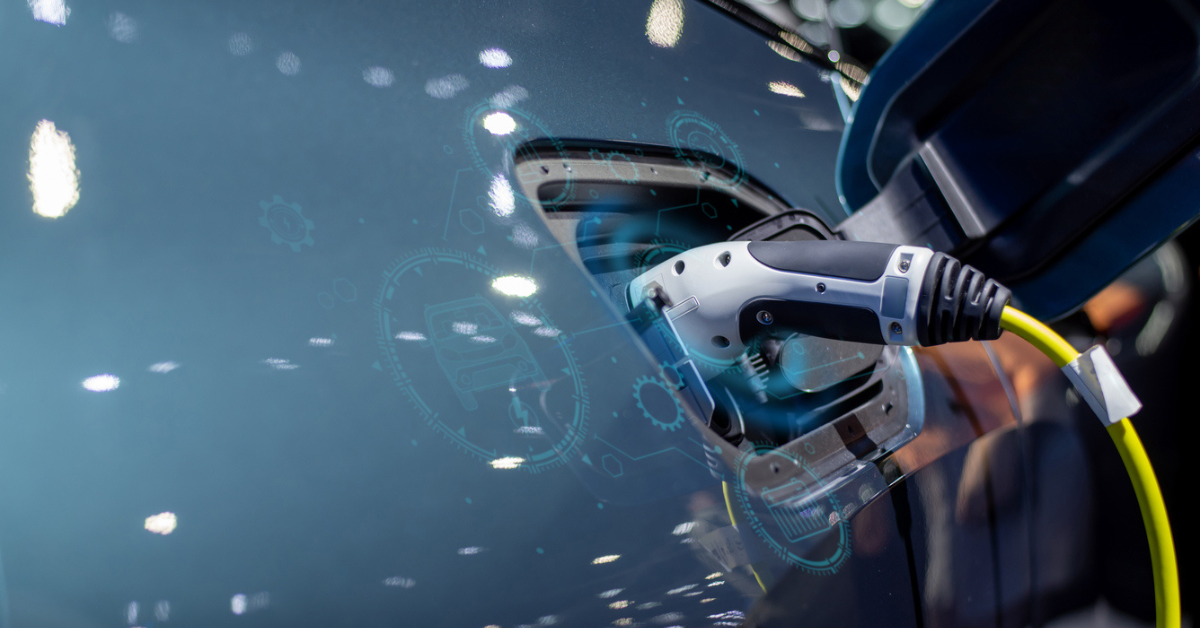
As electric vehicles (“EV”) become increasingly common, condominium associations throughout Florida face new challenges. While state law provides a framework for EV Charging Stations on condominium property, several important questions remain unanswered—particularly when it comes to responsibilities of the unit owner and associations, and how those duties are shared when upgrades to the underlying electrical infrastructure are required.
Sections 718.113(8)-(9), Florida Statutes, establish the basic parameters for EV Charging Stations in condominiums. The statute addresses installation, maintenance, replacement, removal, and cost allocation, but draws a critical distinction between installations by individual unit owners in their personal parking space and installations undertaken by an association on the common elements.
Unit Owner Installation of EV Charging Stations
Section 718.113(8), Florida Statutes, governs a unit owners’ right to install an EV Charging Station in their assigned limited common element parking space. This provision expressly allows such installation so long as it complies with applicable federal, state, or local laws and codes, and does not cause “irreparable damage” to the property. Irreparable damage is not defined in the statute. A declaration or covenant cannot be enforced to prohibit the installation, and the board of administration may not deny a properly submitted request.
The law, however, places the financial and maintenance responsibilities for such EV charging station squarely on the unit owner. The electricity used for charging must be separately metered, and the unit owner is responsible for all costs of installation, operation, maintenance, or repair. The unit owner (or their successors) may also be responsible for the removal of an EV Charging Station. The unit owner may also be required to carry hazard and liability insurance and to list the association as an additional insured on their insurance policy. Associations can further require compliance with building codes, adherence to architectural or aesthetic standards, and use of licensed contractors familiar with EV Charging Station installations. If the installation increases the association’s insurance premium, an association may require the unit owner to reimburse the association those increased costs.
Association Installation of EV Charging Stations
A different framework applies when an association itself installs or operates an EV Charging Stations on the common elements. Section 718.113(9), Florida Statues authorizes the board to make available, install, or operate an EV Charging Station on the common elements or association property. An association may establish reasonable charges or manner of payments for unit owners, residents, or guests who use the EV Charging Station. Importantly, the statute provides that such installation, maintenance, or repair “does not constitute a material alteration or substantial addition” to the common elements or association property. This means the board may proceed to install an EV Charging Station without obtaining the applicable membership approval typically required for material alterations or substantial additions.
The legislative intent here is clear: Florida wants to encourage the development of electric vehicle charging infrastructure by removing procedural barriers. Installing an association-operated EV Charging Station is treated more like a necessary maintenance project rather than a discretionary upgrade or capital improvement.
Questions Left Unanswered
Despite the statutory framework, several key issues remain unresolved. Among them include, without limitation, retroactive application of these statutes to associations without Kaufman language, how to address metering challenges, responsibility for electrical infrastructure upgrades, emergency procedures, among others.
One of the most common challenges arises in older condominium buildings constructed long before electric vehicles were envisioned. Many of these buildings often operate at or near their electrical capacity. In such cases, adding even a few EV Charging Stations could require major electrical infrastructure upgrades to prevent overloads or fire hazards.
The statute does not address what happens when the existing electrical infrastructure lacks the capacity to support an EV Charging Station. This raises several important questions. If a unit owner is installing an EV Charging Station in their assigned parking space, must they upgrade the electrical infrastructure to support the installation and bear the cost of the same? Can Associations install or upgrade the electrical to support charging stations for unit owners without obtaining the membership vote required for material alterations? Or is it a necessary modernization that falls within the board’s maintenance authority?
On one hand, Section 718.113(9), Florida Statutes explicitly states that an association’s installation, repair, or maintenance of an EV Charging Station on the common elements is not a material alteration. Extending that reasoning, one might argue that any related electrical work should be treated the same way. If an association is legally permitted to install charging stations, it must have the ability to make the upgrades needed to power them—but the statute only allows the same if the association is installing the EV Charging Station itself on the common elements.
On the other hand, significant electrical upgrades can involve substantial cost and visible, permanent changes to the property’s systems which may only benefit a few unit owners who utilize the EV Charging Stations. The other unit owners who are not benefited may argue that this is inequitable.
Boards facing this issue should consult qualified legal counsel to evaluate their specific circumstances. While associations must allow unit owners to install EV Charging Stations, it remains unclear whether the association bears any duty to provide or fund sufficient electrical capacity for those installations. The allocation of cost—whether to the association, all unit owners collectively, or only to those using the chargers—remains an open issue depending on the situation at hand.
Florida’s condominium statute recognizes that electric vehicles are no longer a novelty but a growing part of everyday life. The law gives both unit owners and associations a framework to move forward, but it does not yet resolve every practical issue. Until further clarification arrives, associations should proceed thoughtfully, ensure transparency, and seek legal guidance when necessary. Electric vehicles are reshaping how we live and how our communities function. The challenge for Florida condominiums is not whether to adapt, but how to do so responsibly, equitably, and within the bounds of the law.
To read the original FCAP article, please click here.