“Florida’s Snowbirds—Tips for the Great Migration” – FLCAJ
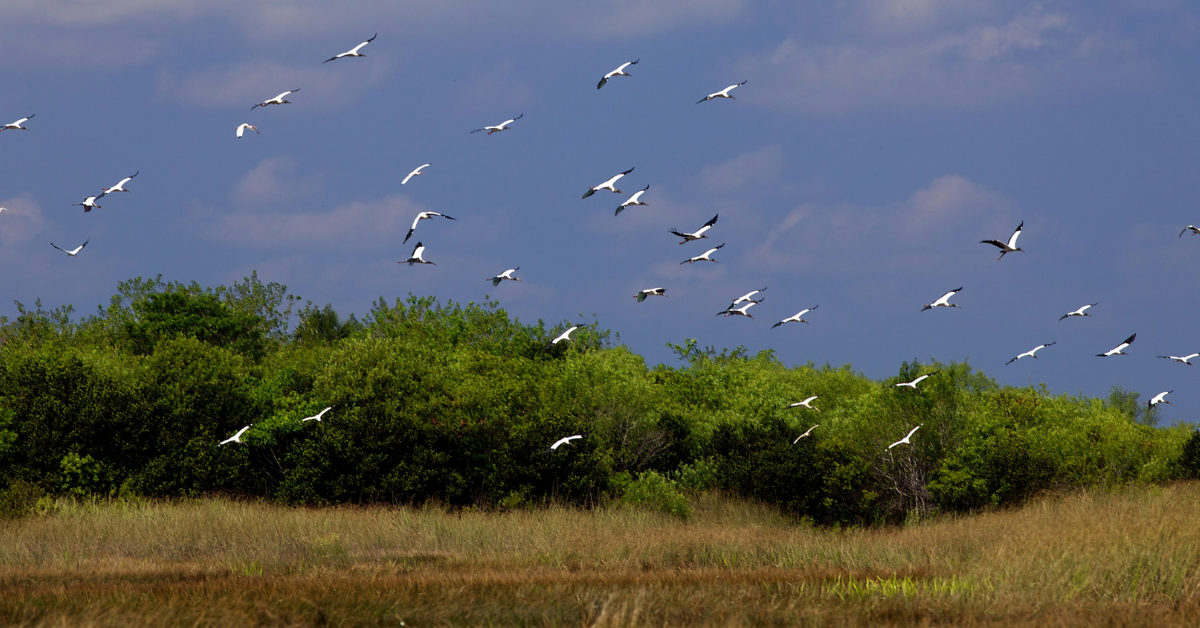
Every year as temperatures begin to drop up north, a familiar migration begins. While some birds head south in search of warmer weather, so do thousands of Florida condominium residents—our beloved “snowbirds.” These seasonal residents trade snow shovels and winter coats for palm trees and pool decks, typically spending the winter months in Florida before returning north in the spring. However, whether an owner lives in Florida year-round or only for part of the year, condominium ownership comes with responsibilities that do not migrate north when the owner does.
One common misconception among seasonal residents is that condominium living is similar to resort-style living, where the condominium association is responsible for virtually everything. While an association may in some cases provide water, cable, internet, and numerous other services depending upon the community and its governing documents, a condominium in most cases is not a hotel or resort. A condominium owner owns his or her individual unit and an undivided percentage interest in the common elements, common expenses, and common surplus. The precise boundaries of the unit and maintenance responsibilities are established by the declaration, but in many condominiums the owner’s responsibilities generally begin at the interior wall, floor, and ceiling surfaces and extend inward. Condominium ownership, therefore, comes with individual responsibilities even though many portions of the property are maintained by the association.
That distinction becomes particularly important when something goes wrong. A seasonal owner may return to Florida to discover water damage, damaged flooring, ruined furniture, or other losses and assume that, because the damage occurred within a condominium, the association’s insurance will take care of everything. Unfortunately, that is not how condominium insurance works in most cases.
In the event of casualty, Section 718.111(11)(f), Florida Statutes, generally divides insurance responsibilities between the association and the unit owner. The association’s commercial property insurance generally covers those portions of the condominium property originally installed in accordance with the original plans and specifications plus all alterations or “additions made to the condominium property or association property. However, this section concerning the association’s required coverage excludes personal property within the unit as well as floor, wall, and ceiling coverings; electrical fixtures; appliances; water heaters; water filters; built-in cabinets and countertops; and window treatments located within the unit and serving only that unit. The statute places responsibility for those items, and the insurance covering them, on the unit owner. In other words, the association may insure much of the building, but that does not mean it insures everything behind the unit owner’s front door. An association’s insurance policy is no substitute for an owner’s individual condominium insurance policy.
More importantly, condominium associations with a large percentage of seasonal or absentee owners should consider adopting a clear vacant-unit policy to address units that may remain unoccupied for extended periods. A unit that sits unattended can create risks not only for that owner but also for neighboring units and the condominium property as a whole. Air-conditioning systems fail. Plumbing fixtures leak. Water heaters rupture. Windows and doors can develop leaks following storms. A condition that might cause minimal damage if discovered promptly can become a significant water or mold problem when a unit remains unattended for weeks or months.
A vacant-unit policy can address these risks before a problem occurs. Depending upon the association’s governing documents and the particular property, the policy might require owners who will be absent for a specified period of time to shut off the water supply to the unit, provide updated emergency contact information, designate a local person who can respond in the event of an emergency, arrange for periodic inspections of the unit, and provide management with a key or other means of emergency access. Periodic inspections may help limit the extent of a loss and avoid disputes concerning whether reasonable steps were taken by the unit owner to mitigate damages after a condition arose.
The policy can also address preventive maintenance intended to reduce the potential for water damage. Depending upon the maintenance obligations established by the governing documents, this might include requiring owners to periodically test and maintain water shutoff valves and to maintain and replace aging water heaters, valves, hoses, appliance connections, and other plumbing components. The policy can also establish procedures requiring owners to promptly report known or suspected leaks, take reasonable steps to mitigate damage, and provide access to the association’s contractors when necessary to determine the source of a leak or make repairs for which the association is responsible.
Boards should also consider addressing air conditioning and humidity control. Florida’s heat and humidity do not take the summer off. An owner who turns off the air conditioning before heading north may unintentionally create conditions conducive to excessive humidity, mildew, mold, and damage within the unit. Depending upon the association’s authority under its governing documents, a vacant-unit policy may establish reasonable requirements concerning maintaining climate control or humidity levels while a unit is vacant. At a minimum, associations can educate owners regarding the potential consequences of leaving a unit without adequate climate control.
Hurricane preparedness may also be incorporated into a vacant-unit policy. The policy can establish procedures for securing balconies and patios, removing or securing furniture and other items, closing or deploying hurricane protection where appropriate, and ensuring that management has current emergency contact and access information. Boards should also establish procedures for contacting an owner’s designated local representative and determine what the association or management may do when an owner cannot be reached and immediate access is reasonably necessary to protect the unit, neighboring units, or condominium property. Any such procedures should be carefully tailored to the association’s governing documents and applicable law.
The annual migration of Florida’s snowbirds is a fact of life for many condominium communities. Rather than waiting until an unattended unit creates an emergency, boards can plan for it. A well-drafted vacant-unit policy establishes expectations before owners leave, promotes communication between seasonal residents and management, and provides the association with procedures to follow when problems arise. With the right policies in place, boards can make sure the annual migration north does not leave unnecessary problems behind.
Jonathan R. Zim, Shareholder, Becker
Jonathan R. Zim is a shareholder in Becker’s Fort Lauderdale office and a member of the firm’s Condo, Co-Op & HOA practice. Mr. Zim has extensive experience with serving as general counsel to hundreds of condominium associations, homeowners’ associations, cooperative associations, and equity clubs throughout Florida, with a focus on corporate governance, covenant enforcement, owner disputes, arbitration, and litigation. He advises clients not only on day-to-day operational matters but also regarding governing document amendments, vendor contracts and addenda, covenant enforcement, administrative and legal proceedings, maintenance disputes, and alternative dispute resolution. For more information call 954-364-6045, email jzim@beckerlawyers.com, or visit www.beckerlawyers.com.