New Jersey Authorizes Plug-In Solar Panels in Community Associations
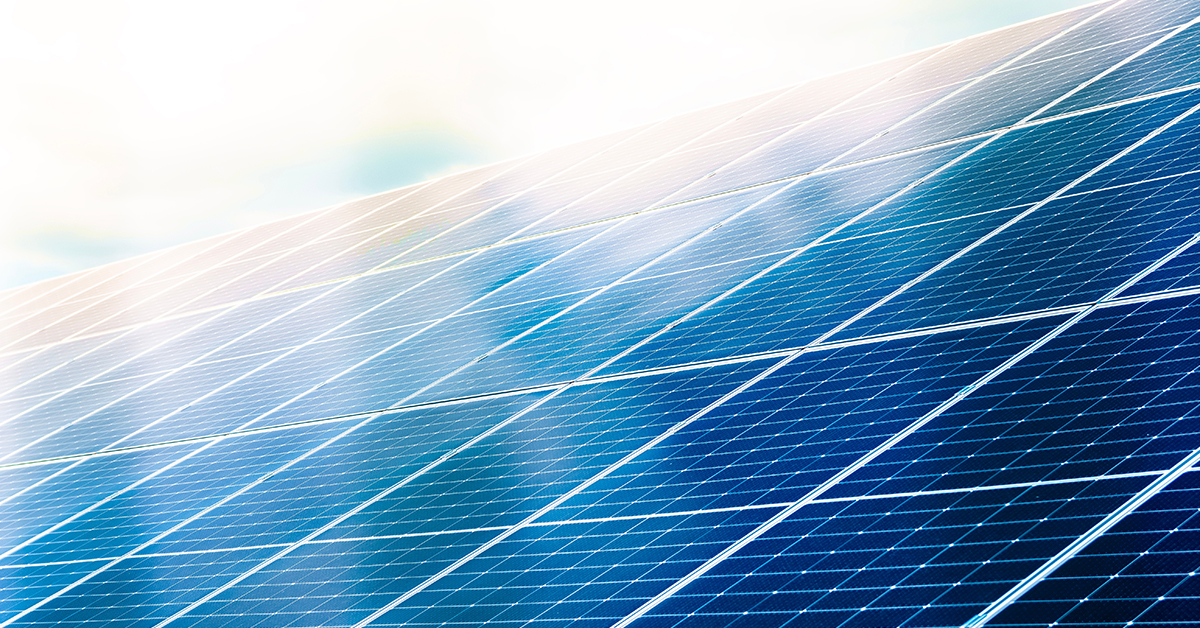
On September 1, 2026, Governor Mikie Sherrill signed into law the Garden State Balcony Solar Act (S-2368/A-4836), which enables owners and renters to install small, “plug-in” solar panels that can fit on a balcony, patio, porch, or other space. According to media reports regarding the legislation, these solar panels are simple to install and plug into an ordinary 120-volt outlet as opposed to expensive rooftop panels that required a lengthy approval process, a full connection to the electrical grid, and (at least in condominiums) were previously prohibited because of the common ownership of the roof.
Specifically, the law defines what constitutes a “portable solar generation device” as having: (1) a maximum power output of not more than 1,200 watts (roughly two or three modern solar panels); (2) designed to be compatible with a building’s electrical system through a standard 120-volt alternating current outlet; (3) is certified by Underwriters Laboratories (UL) or an equivalent laboratory; and (4) is intended primarily to offset part of the owner’s or tenant’s electrical consumption.
In addition to rental buildings, the Act pertains to community associations, including condominiums, homeowners associations, and cooperatives. The bad news? Community associations can no longer prohibit an owner or tenant from installing portable solar panels on the exterior of their building or premises despite any such restrictions that may be contained in the association’s governing documents or rules and regulations.
The good news is that the legislation does have some guardrails in place that will assist community associations moving forward. First, associations are authorized to adopt and enforce reasonable rules and regulations regarding the “size, placement, or manner of placement” of the solar panels. In addition, owners or tenants who want to install these solar panels must provide at least (14) days written notice and include documentation providing the solar panels meet the statutory requirements. And finally, an association may require an owner or tenant to indemnify the association for any “claims, damages, losses, or liabilities arising from personal injury or property damage caused by the negligent installation, maintenance, or use” of the solar panels.
Moving forward, we recommend that all of our community association clients adopt a resolution as authorized by the statute to govern the use and implementation of these solar panels. If you have any questions or concerns, please contact one of Becker’s Community Association attorneys.
The Act goes into effect in six months – on March 1, 2027.