
“Storm Preparation and Planning for Electric Vehicles” – FLCAJ
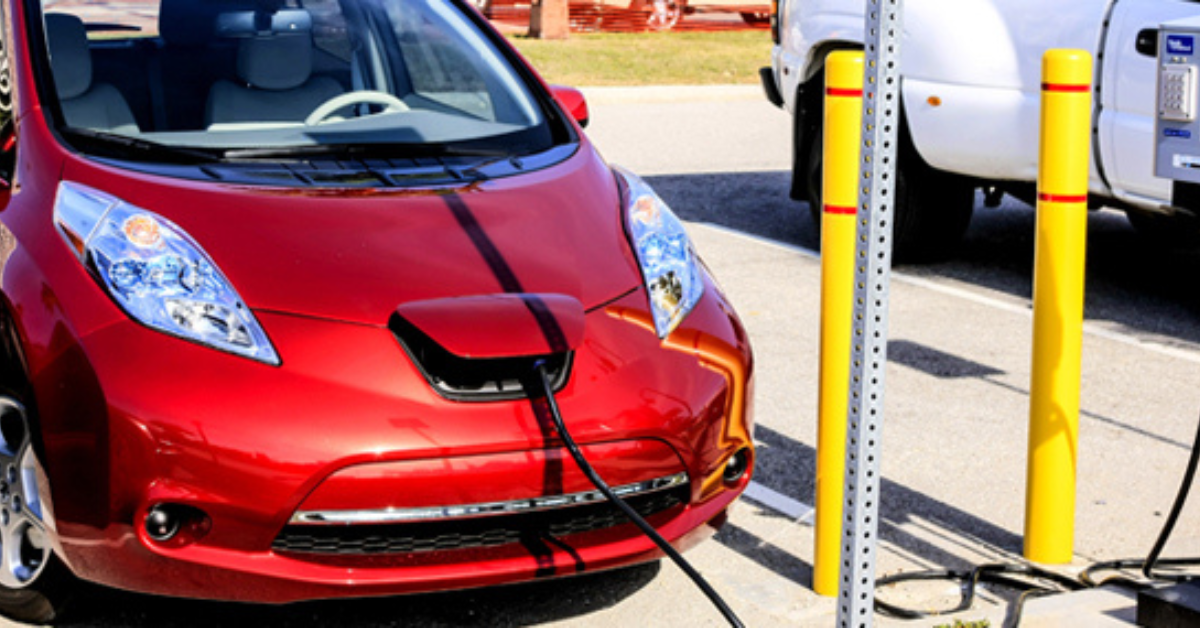
As hurricane season approaches, electric vehicles (“EVs”) present unique safety considerations when high winds, flooding, and power outages are expected. These concerns become especially important in communities where vehicles are parked in enclosed garages or shared structures. Issues such as whether an EV should remain plugged in inside a garage during a hurricane, and how to handle a vehicle exposed to saltwater or storm surge, require careful, practical planning aimed at reducing risks to both people and property.
Severe storms can create safety risks affecting an EV’s battery, charging equipment, and the vehicle itself. Flooding is one of the primary concerns. If an EV is submerged, the battery and other electrical components may be damaged, potentially resulting in short circuits and, in some cases, fire. After major hurricanes and other storm events in Florida, news outlets reported incidents in which submerged vehicles ignited after exposure to saltwater, sometimes hours or even weeks after flooding. Parking structures present additional concerns because fire can spread from one vehicle to another in garages and other densely packed parking areas, whether the vehicles are electric or gasoline-powered, particularly where fire protection is limited or vehicles are parked close together.
Before hurricane season, EV owners should coordinate with their community association and treat vehicle planning as part of the community’s broader emergency preparation efforts. In Florida, associations generally have a broad range of emergency powers to address declared states of emergency, including hurricanes, which may include decisions affecting property access, operations, and evacuation procedures. Owners should therefore understand in advance how the association intends to address issues such as garage access, charging stations, vehicle relocation, and evacuation compliance. For example, in consultation with legal counsel, associations may consider adopting board resolutions requiring owners to remove their vehicles from the property when a tropical storm, hurricane, or flood warning is issued.
An emergency plan can provide the association with a clear, written framework for preparing for and responding to a hurricane or other disaster. Ideally, it should be based on guidance from recognized emergency and weather agencies and should help the association act quickly by setting out practical steps for preparation, communication, response, and recovery. A well-designed plan can also help owners and staff understand their roles before, during, and after a storm. To remain effective, the plan should be reviewed and updated annually before hurricane season.
EV-related provisions in that plan might include the following:
- Review the manufacturer’s guidance and keep the vehicle manual and emergency instructions readily accessible in both digital and printed form.
- Check the charging area when a storm is approaching by inspecting the charging equipment and surrounding area for drainage issues, water intrusion, or exposed cords that could create safety risks.
- Keep emergency contact information readily available, including roadside assistance, the vehicle manufacturer, the charging equipment provider, the insurance carrier, and local emergency contacts.
- The most effective EV storm preparation begins early. Emergency plans should address practical issues such as where EVs may be parked before a storm, whether charging stations will be shut down, and how flood-exposed vehicles will be identified and isolated afterward. By establishing clear procedures to follow during an emergency, these plans can streamline decision-making, preparation, and recovery while also helping owners and staff understand their roles in those efforts. Associations may also benefit from having legal counsel review those plans in advance to help confirm that emergency procedures align with the association’s authority and governing document requirements.
- With advance planning and disciplined post-storm handling, EV owners and community associations can reduce risks to both people and property during severe weather events.
To read the original FCAP article, please click here.
Joseph Markovich is an attorney in the firm’s Condo, Co-Op & HOA practice group, concentrating in community association law. He provides comprehensive legal counsel and services to clients, focusing on condominium and homeowners’ association (HOA) issues. His expertise includes drafting, reviewing, and negotiating contracts, agreements, and other critical legal documents essential for community associations. Mr. Markovich advises community associations on governance matters, offering guidance on the interpretation and enforcement of governing documents. He conducts legal research and prepares detailed legal opinions on a variety of issues, with a particular emphasis on real estate within the realm of community association law. His work ensures that community associations operate efficiently and in full compliance with relevant laws and regulations.