
Hurricane Season Is Here. What Steps Should Your Board Take Before a Storm Arrives?
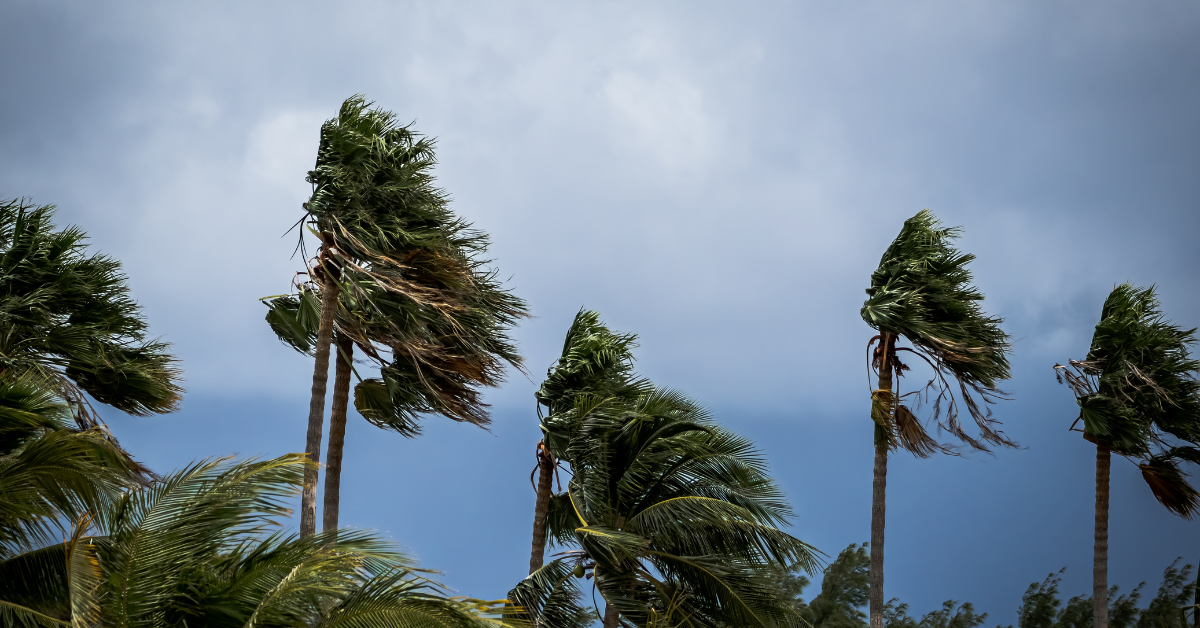
For Florida community associations, hurricane preparedness is not optional; instead, it is an essential part of fulfilling the board’s fiduciary responsibilities. The most effective storm response begins long before a hurricane watch or warning is issued.
Boards that take proactive steps now will be in a far better position to protect lives, preserve property, minimize disruption, and accelerate recovery efforts after a storm passes.
1. Review and Update Your Emergency Plan
Your association should maintain a comprehensive emergency preparedness plan and review it annually. The plan should identify key personnel, emergency contacts, evacuation procedures, communication protocols, vendor information, identify residents known to have special needs, and post-storm response procedures.
2. Communicate Early and Often
One of the most common complaints before, during and after storms is confusion amongst the residents. Before hurricane season intensifies, boards should send detailed communications to residents explaining what to expect before, during, and after a storm event.
Use multiple communication channels including email, text alerts, websites, resident portals, and posted notices to maximize outreach. Boards should also educate residents about the association’s statutory emergency powers under Sections 718.1265, 719.128, and 720.316, Florida Statutes, so owners understand the authority boards may exercise during a declared emergency.
3. Digitize Important Records
Physical records can be damaged or destroyed by flooding, wind, or fire. Digitizing governing documents, contracts, insurance policies, meeting minutes, owner records, and financial records not only protects critical information but also helps associations respond to statutory records requests and avoid document inspection disputes after a disaster.
4. Verify Your Insurance Values
You should review your most recent insurance appraisal and replacement cost valuation to confirm that coverage limits accurately reflect current construction costs and property values. Underinsurance can significantly impact an association’s ability to recover after a major loss and expose your directors to a potential breach of fiduciary duty claim.
5. Evaluate Hurricane Protection Measures
If portions of your building remain unprotected, consider whether additional hurricane protection should be installed before the next storm threatens the area and whether that installation should be required of the owners or should be conducted by the association.
6. Address Electric Vehicle Safety
Communities with electric vehicles should consider adopting written policies addressing EV storage and storm preparation. Boards may wish to require EVs to be relocated away from structures and other vehicles before a storm, when feasible.
Associations should also coordinate with local fire departments to ensure first responders are aware of the location of any master electrical disconnects or other critical safety infrastructure.
7. Adopt a Vacant Unit Policy
Storms often exacerbate problems associated with vacant units, including water intrusion, mold, delayed access, and emergency response challenges. Establishing a vacant unit policy before a disaster occurs can help minimize damage, clarify owner responsibilities and establish a baseline for negligence if an owner ignores/violates the policy.
8. Review Construction and Renovation Protocols
Boards should create comprehensive protocols for both association construction projects and owner renovations. Contractors should have clear requirements regarding the securing or removal of equipment, dumpsters, materials, scaffolding, and other items that may become hazards during high winds.
9. Confirm Vendor Obligations in Advance
Now is the time to speak with landscape contractors, restoration companies, engineers, security providers, debris removal vendors, and other key service providers. Review contracts carefully and confirm post-storm response times, pricing structures, emergency availability, and communication procedures.
10. Consider Establishing a CERT Team
Community Emergency Response Team (CERT) programs can provide valuable assistance when major storms overwhelm local emergency resources. Properly trained volunteers can assist with communications, resident welfare checks, and coordination efforts while first responders focus on life-safety emergencies. You can learn how to create a CERT by clicking here.
11. Understand the Value of Independent Claims Assistance
After a major storm, claim recovery often becomes one of the association’s most important responsibilities. Boards should understand the role an independent public adjuster representing the association can play in documenting losses, evaluating damage, and pushing back against insurance company appraisers who might undervalue or deny a legitimate claim. If you need assistance after an unexpected event, Association Adjusting exclusively serves Becker’s community associations.
No board can prevent a hurricane, but every board can improve its community’s readiness. Taking these steps before a storm arrives can significantly reduce confusion, accelerate recovery efforts, and help protect both residents and association assets when severe weather strikes.
The best time to prepare for a hurricane is before one appears on the radar. If you would like to discuss next steps in connection with any of the foregoing suggestions, please let me know.
Additional Links
- Disaster Preparedness & Recovery Class
- Take it to the Board: Do EVs, E-Bikes and Other Devices Present a Community-Wide Fire Risk
- Hurricane Guide