“Misconceptions About The Limited Common Elements” – FCAP Managers Report
You should always consult your legal counsel when dealing with the limited common elements of your condominium association because, chances are you hold some misconceptions about that they are or how to identify them. After all, correctly determining whether certain property is part of a unit, the common elements, or limited common elements is often essential to the proper operation of your condominium association by your board of directors and management.
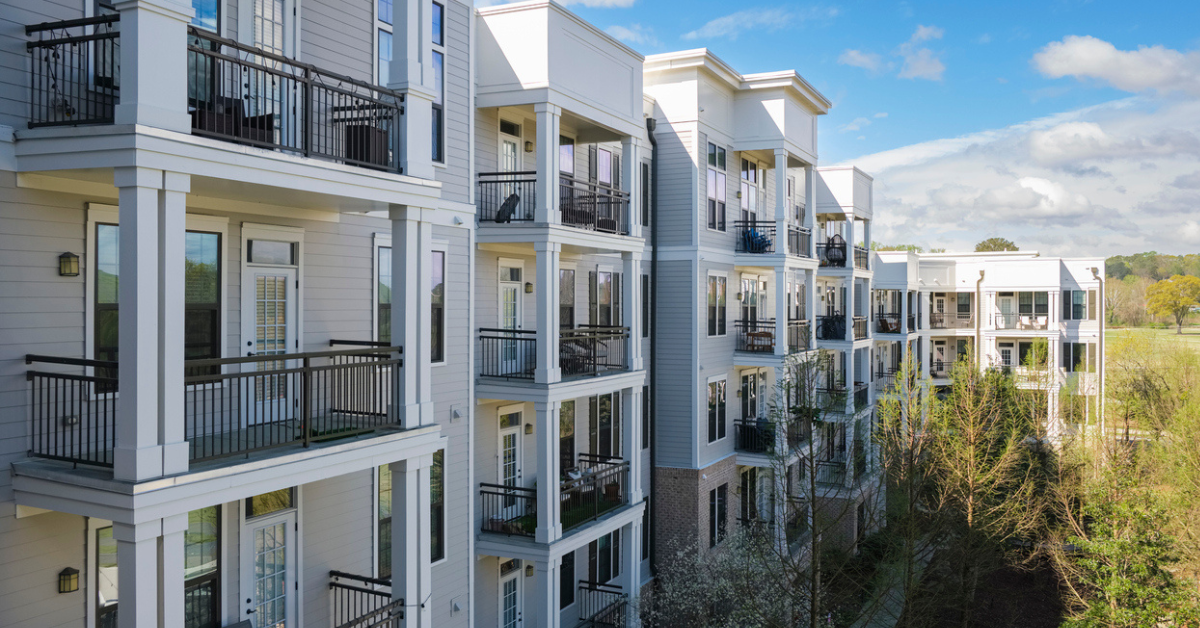
You may think you already know what “limited common elements” are – common elements that are reserved for the use of specific units or unit owners, such as unit balconies or assigned parking spaces.
But did you know that Chapter 718 of Florida Statutes defines “limited common elements” as common elements that are “reserved for the use of a certain unit or units to the exclusion of all other units, as specified in the declaration”? To that end, Section 718.103(22) of Florida Statutes provides in pertinent part as follows:
- 718.103 Definitions.—As used in this chapter, the term:
- [….]
- (22) “Limited common elements” means those common elements which are reserved for the use of a certain unit or units to the exclusion of all other units, as specified in the declaration.
In other words, as far as the foregoing statute is concerned, unless your declaration specifies a common element as a limited common element, it is not a limited common element.
But what if your condominium declaration does not define certain property as a limited common element, but the property has been treated or otherwise exhibits the traditional hallmarks of a limited common element, such as an assigned parking space?
Even more confusing, what if condominium declaration does specify that certain unit owners are responsible for the maintenance of the property in question? Does that automatically transform the property in question into a limited common element? Not necessarily.
In fact, per Section 718.113(1) of Florida Statutes, the maintenance of limited common elements are by default the responsibility of your condominium association unless the declaration provides otherwise:
- 718.113 Maintenance; limitation upon improvement; display of flag; hurricane protection; display of religious decorations.—
- (1) Maintenance of the common elements is the responsibility of the association, except for any maintenance responsibility for limited common elements assigned to the unit owner by the declaration. The association shall provide for the maintenance, repair, and replacement of the condominium property for which it bears responsibility pursuant to the declaration of condominium. After turnover of control of the association to the unit owners, the association must perform any required maintenance identified by the developer pursuant to s. 718.301(4)(p) and (q) until the association obtains new maintenance protocols from a licensed professional engineer or architect or a person certified as a reserve specialist or professional reserve analyst by the Community Associations Institute or the Association of Professional Reserve Analysts. The declaration may provide that certain limited common elements shall be maintained by those entitled to use the limited common elements or that the association shall provide the maintenance, either as a common expense or with the cost shared only by those entitled to use the limited common elements. If the maintenance is to be by the association at the expense of only those entitled to use the limited common elements, the declaration shall describe in detail the method of apportioning such costs among those entitled to use the limited common elements, and the association may use the provisions of s. 718.116 to enforce payment of the shares of such costs by the unit owners entitled to use the limited common elements.
Ultimately, this article is not intended to serve as an exhaustive list of issues you may need to consider in dealing with limited common elements. Rather, this article is intended to emphasize if you are dealing with limited common elements, you should consult legal counsel, as the matter can be nuanced to navigate and costly to address if done so without proper planning and analysis.
To read the original FCAP article, please click here.
Nicolas M. Jimenez is a Community Association attorney in the Miami office. Mr. Jimenez has experience representing clients in Florida state and federal courts and has a diverse range of subject matters, including matters relating to contractual disputes, non-compete litigation, intracorporate disputes, landlord-tenant disputes, employment disputes, class actions, and condominium related litigation.