Florida Senate Bill 506 (2026): Code Enforcement Body Camera Recordings and Public Records Law
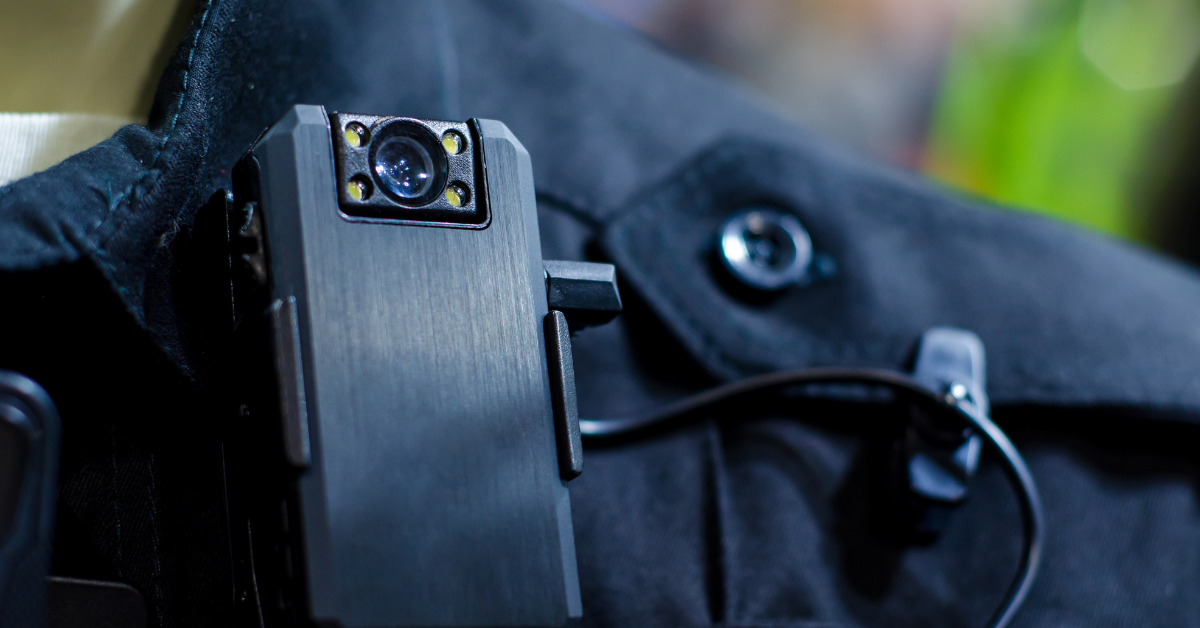
Florida Senate Bill 506 (SB 506), enacted during the 2026 legislative session, addresses public access to body camera recordings created by local government code inspectors. Signed into law on April 23, 2026 (Chapter No. 2026‑49), the bill takes effect July 1, 2026.
SB 506 was introduced to balance two competing interests: Florida’s strong public records transparency requirements and the privacy rights of residents. Specifically, the bill creates a public records exemption for certain body camera footage captured by code inspectors during the course of their duties. Code inspectors often enter private property to enforce local regulations (such as building, zoning, or safety codes). The Legislature recognized that recordings from these interactions may include sensitive or private details, prompting the need for additional confidentiality protections.
SB 506 contains several important elements:
- Public Records Exemption
The law exempts specified body camera recordings from public disclosure when they depict private property or other sensitive circumstances encountered during code enforcement. While the exemption restricts general public access, certain individuals and entities—such as the property owner, persons depicted in the recording, or legally authorized parties—may still obtain the footage.
- Retention Requirements
Local governments are required to retain code inspector body camera recordings for at least 90 days.
- Sunset Provision
Because the bill creates a public records exemption, it includes a formal justification explaining why limiting access to these records is necessary to protect individual privacy, and it is subject to Florida’s Open Government Sunset Review Act. The latter means the exemption will automatically repeal on October 2, 2031, unless the Legislature reenacts it.
The law primarily affects local governments and code enforcement agencies, particularly those adopting or expanding the use of body cameras. Key impacts include:
- Enhanced Privacy Protections
Residents and property owners benefit from greater privacy when inspections occur on private property.
- Administrative Responsibilities
Counties and municipalities must implement procedures to properly classify, store, and review footage to ensure exempt material is not improperly disclosed.
- Records Management Adjustments
Agencies may need to update retention schedules, storage systems, and staff training protocols to comply with SB 506.
SB 506 (2026) reflects a broader trend of adapting public records laws to new technologies such as body‑worn cameras. By carving out a limited exemption for code inspection footage, the Legislature sought to protect individual privacy without fully restricting transparency. The law will remain subject to future legislative review, allowing policymakers to reassess its effectiveness and impacts over time.